High Protein Pescatarian Meals
Highlighted under: Lean & Light
Discover delicious and nutritious high protein meals that cater to pescatarians. Packed with flavor and health benefits, these recipes will satisfy your cravings while keeping your diet balanced.
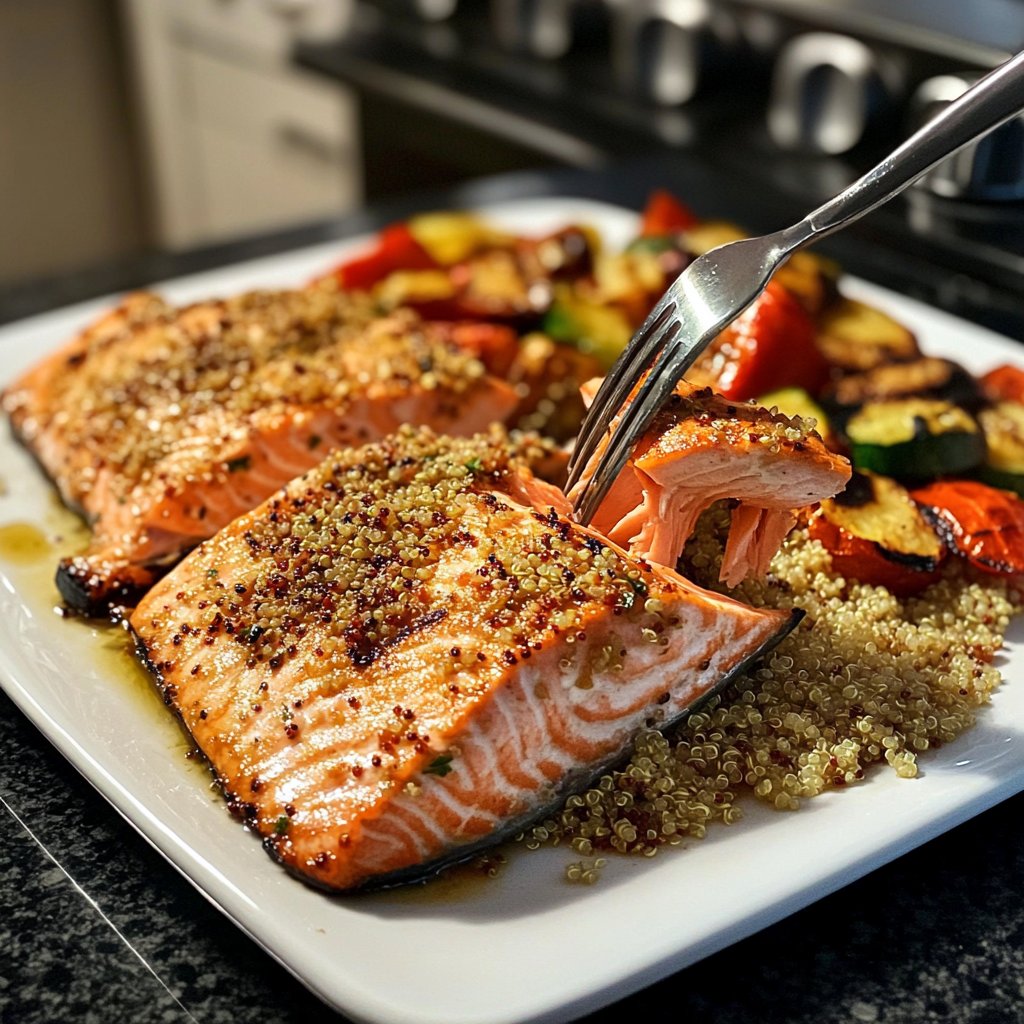
These high protein pescatarian meals are perfect for anyone looking to enjoy a healthy and balanced diet without sacrificing flavor. Incorporating a variety of seafood, legumes, and grains, these recipes are not only nutritious but also incredibly satisfying.
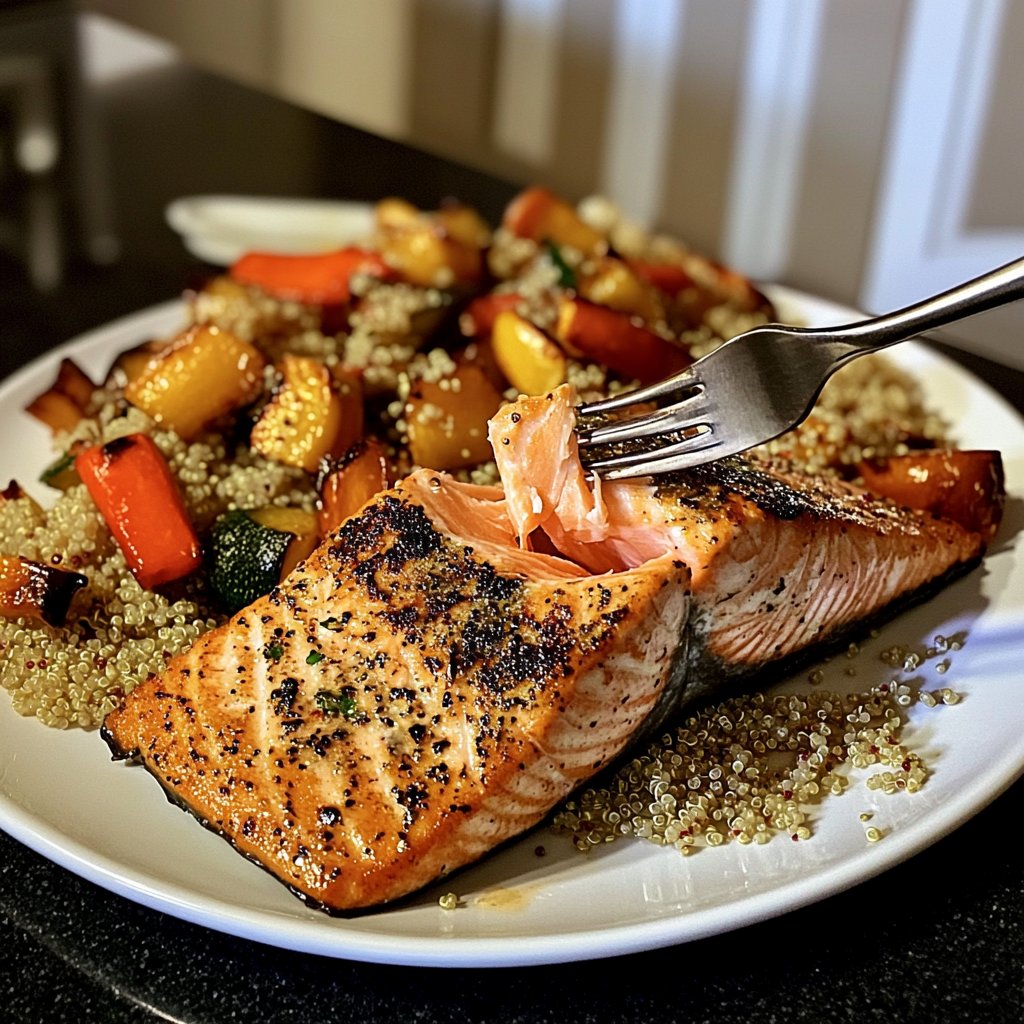
Why You'll Love This Recipe
- Packed with protein from a variety of seafood
- Rich in omega-3 fatty acids for heart health
- Versatile recipes that can be enjoyed any day of the week
Health Benefits of Pescatarian Diet
Adopting a pescatarian diet offers numerous health benefits, particularly due to the inclusion of seafood. Fish and shellfish are excellent sources of high-quality protein, which is essential for muscle growth and repair. By incorporating fish like salmon, sardines, and mackerel into your meals, you can easily meet your protein needs while enjoying a variety of flavors and textures.
In addition to protein, seafood is rich in omega-3 fatty acids, which are vital for maintaining heart health. These healthy fats can help reduce inflammation, lower blood pressure, and decrease the risk of chronic diseases. By prioritizing fish in your diet, you can support your cardiovascular system while enjoying tasty meals.
Furthermore, pescatarian diets often emphasize the consumption of plant-based foods, such as vegetables, grains, and legumes. This combination not only enhances the nutritional profile of your meals but also promotes digestive health and well-being. By choosing a balanced diet that includes both seafood and plant foods, you can enjoy a flavorful and nourishing way of eating.
Meal Prep Made Easy
One of the advantages of high-protein pescatarian meals is their adaptability for meal prep. Preparing your meals in advance can save time during busy weekdays while ensuring you have nutritious options readily available. Recipes like this one can be made in bulk, allowing you to store individual portions in the fridge or freezer for quick lunches or dinners.
To streamline your meal prep, consider cooking larger quantities of quinoa and vegetables at once. These ingredients can be stored separately and combined with freshly cooked salmon or other seafood throughout the week. This not only maintains the freshness of your meals but also keeps the flavors vibrant and appealing.
Additionally, experimenting with different spices and dressings can keep your meals exciting. By varying the seasonings and adding in seasonal vegetables, you can create a diverse menu that prevents meal fatigue. Meal prep doesn't have to be monotonous; with a little creativity, it can be an enjoyable and fulfilling process.
Sustainability and Seafood Choices
Ingredients
Gather the following ingredients to prepare your high protein pescatarian meals:
Ingredients
- 2 salmon fillets
- 1 cup quinoa
- 1 can chickpeas, drained and rinsed
- 1 bell pepper, diced
- 1 zucchini, sliced
- 2 tablespoons olive oil
- 2 cloves garlic, minced
- 1 lemon, juiced
- Salt and pepper to taste
- Fresh parsley for garnish
Make sure to have everything ready before you start cooking!
Instructions
Follow these steps to create your delicious high protein pescatarian meals:
Cook the Quinoa
In a medium saucepan, combine quinoa with 2 cups of water. Bring to a boil, then reduce heat and simmer for 15 minutes or until water is absorbed. Fluff with a fork and set aside.
Prepare the Salmon
While quinoa is cooking, heat olive oil in a large skillet over medium heat. Season salmon fillets with salt and pepper. Cook for 5-7 minutes on each side or until cooked through and flaky.
Sauté Vegetables
Add diced bell pepper and sliced zucchini to the skillet. Sauté for 5-7 minutes until vegetables are tender. Stir in minced garlic and cook for another minute until fragrant.
Combine Ingredients
In a large bowl, combine cooked quinoa, chickpeas, sautéed vegetables, and lemon juice. Flake the salmon on top and gently toss to combine.
Serve
Divide the mixture among plates, garnish with fresh parsley, and serve warm.
Enjoy your nutritious and protein-packed meal!
Pro Tips
For extra flavor, consider adding your favorite herbs or spices to the salmon while cooking.
Cooking Tips for Perfect Salmon
Cooking salmon to perfection can be a challenge, but with a few tips, you can achieve restaurant-quality results at home. First, ensure that your salmon fillets are at room temperature before cooking. This allows for even cooking and prevents the fish from becoming dry or overcooked.
Another helpful tip is to use a non-stick skillet or a well-seasoned cast iron pan to prevent sticking. Preheating the pan before adding the salmon will help create a beautiful sear on the fish. Additionally, flipping the salmon only once during cooking will maintain its flaky texture and moisture.
Lastly, always check for doneness by using a fork to gently flake the thickest part of the fillet. Salmon is cooked perfectly when it flakes easily and is still slightly translucent in the center. With these tips, you’ll be able to impress your family and friends with perfectly cooked salmon every time.
Creative Variations to Try
While this recipe is delicious as is, there are plenty of variations you can explore to keep things interesting. For a spicy kick, consider adding red pepper flakes or a dash of hot sauce to the sautéed vegetables. This will elevate the flavors and add an exciting twist to your dish.
Alternatively, you can experiment with different types of fish, such as tilapia or trout, to see which you prefer. Each type of fish brings its unique flavor and texture, allowing you to customize the dish to your liking. Don't hesitate to try other seafood options like shrimp or scallops for a delightful change.
Moreover, incorporating seasonal vegetables can enhance the freshness of your meal. Asparagus, cherry tomatoes, or even leafy greens can be excellent additions. By adapting the recipe to include seasonal produce, you not only support local farmers but also enjoy the best flavors that each season has to offer.
Questions About Recipes
→ Can I substitute salmon with another fish?
Absolutely! You can use any firm fish like cod or tilapia.
→ Is this recipe gluten-free?
Yes, as long as you ensure the quinoa is certified gluten-free.
→ How can I make this dish vegan?
You can replace salmon with tofu or tempeh and omit the chickpeas.
→ What can I serve with this meal?
This dish pairs well with a simple green salad or steamed vegetables.
High Protein Pescatarian Meals
Created by: Penelope Dawson
Recipe Type: Lean & Light
Skill Level: Intermediate
Final Quantity: 4 servings
What You'll Need
Ingredients
- 2 salmon fillets
- 1 cup quinoa
- 1 can chickpeas, drained and rinsed
- 1 bell pepper, diced
- 1 zucchini, sliced
- 2 tablespoons olive oil
- 2 cloves garlic, minced
- 1 lemon, juiced
- Salt and pepper to taste
- Fresh parsley for garnish
How-To Steps
In a medium saucepan, combine quinoa with 2 cups of water. Bring to a boil, then reduce heat and simmer for 15 minutes or until water is absorbed. Fluff with a fork and set aside.
While quinoa is cooking, heat olive oil in a large skillet over medium heat. Season salmon fillets with salt and pepper. Cook for 5-7 minutes on each side or until cooked through and flaky.
Add diced bell pepper and sliced zucchini to the skillet. Sauté for 5-7 minutes until vegetables are tender. Stir in minced garlic and cook for another minute until fragrant.
In a large bowl, combine cooked quinoa, chickpeas, sautéed vegetables, and lemon juice. Flake the salmon on top and gently toss to combine.
Divide the mixture among plates, garnish with fresh parsley, and serve warm.
Extra Tips
For extra flavor, consider adding your favorite herbs or spices to the salmon while cooking.
Nutritional Breakdown (Per Serving)
- Calories: 450 kcal
- Total Fat: 20g
- Saturated Fat: 3g
- Cholesterol: 60mg
- Sodium: 400mg
- Total Carbohydrates: 45g
- Dietary Fiber: 10g
- Sugars: 3g
- Protein: 30g