Baked Mediterranean Veggie Flatbread
Highlighted under: Treats & Temptations
Baked Mediterranean Veggie Flatbread
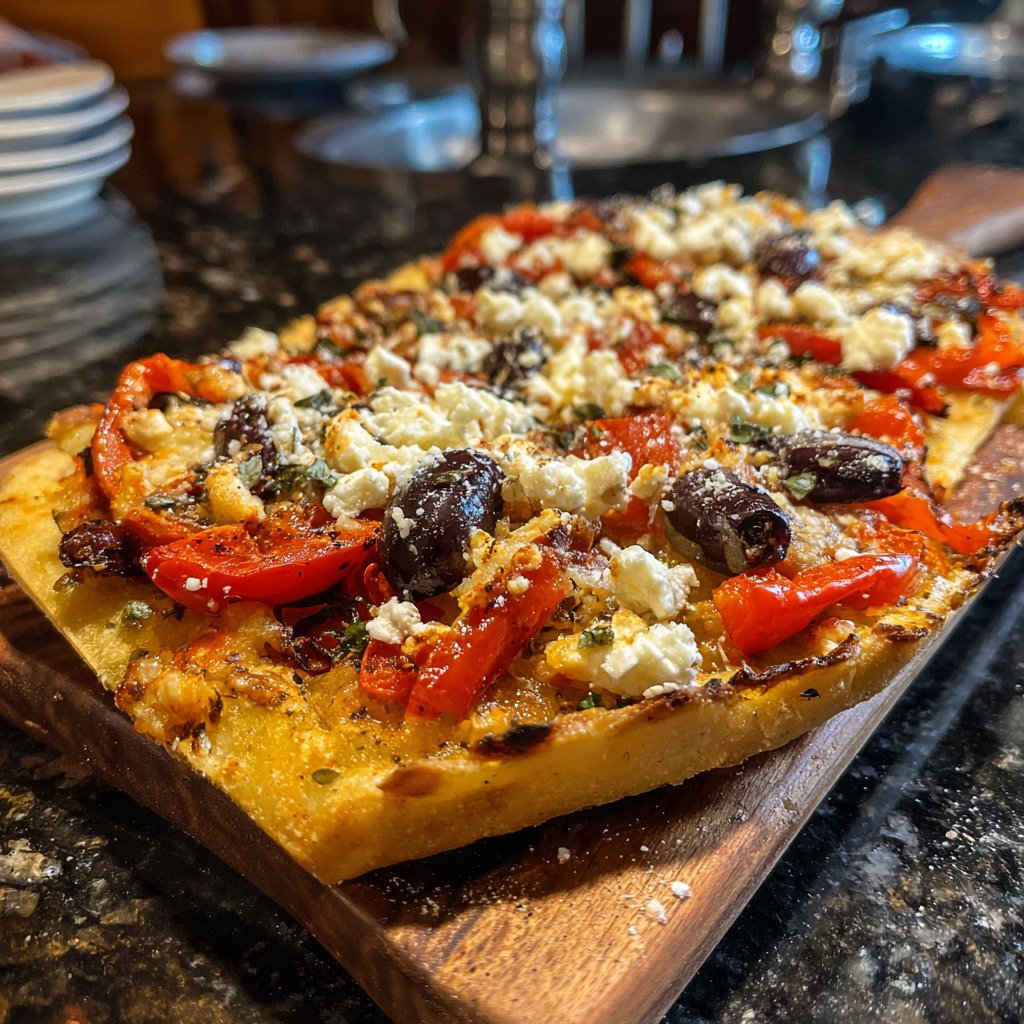
Baked Mediterranean Veggie Flatbread
Baked Mediterranean Veggie Flatbread
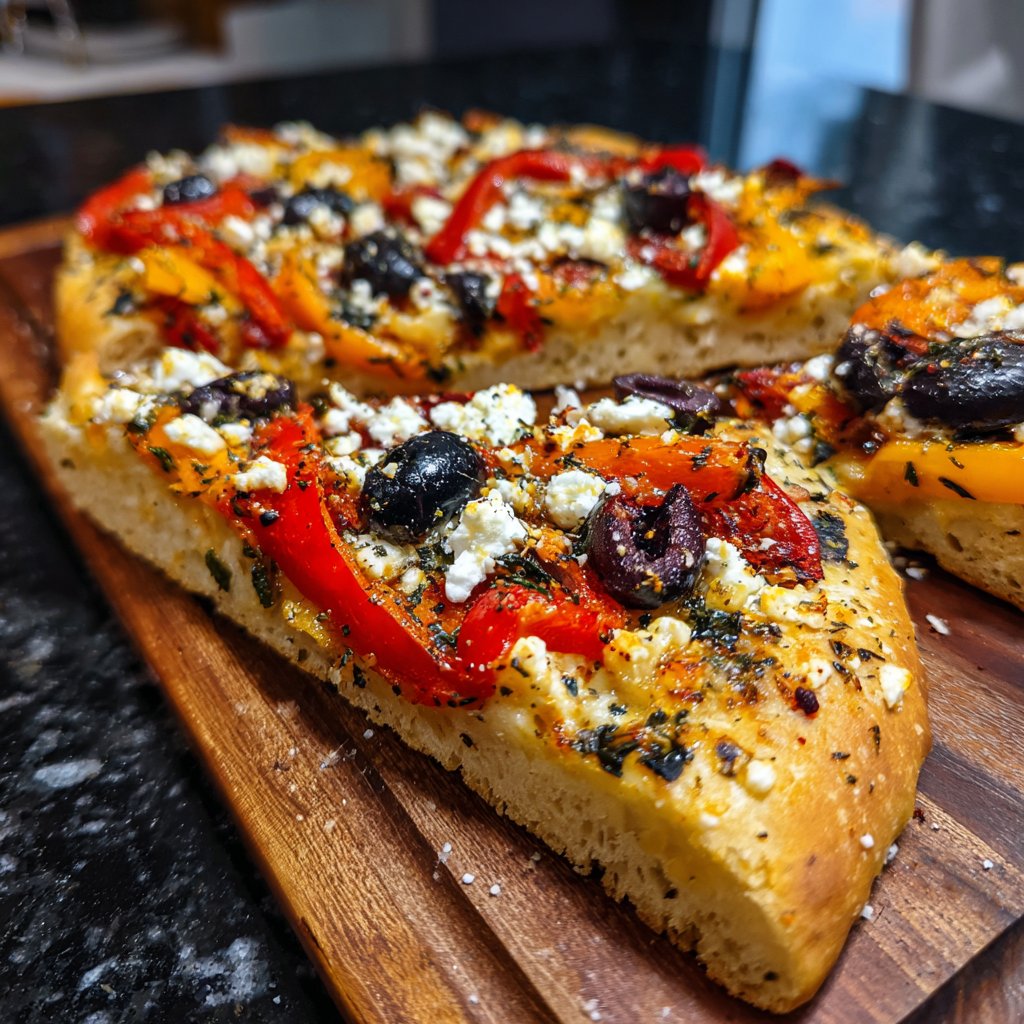
Perfecting the Flatbread Technique
To achieve a crispy yet chewy texture in your baked Mediterranean veggie flatbread, it's crucial to roll the dough evenly. Use a rolling pin to create a uniform thickness of about 1/4 inch. If you find the dough is sticking, lightly dust your work surface and rolling pin with flour. Properly shaped dough not only enhances the overall texture but also ensures even cooking, resulting in flatbreads that are golden brown at the edges and soft in the center.
Another key technique is preheating your oven adequately. Set it to 425°F (220°C) well ahead of time, allowing your baking surface to reach the desired temperature. A hot oven promotes rapid steam creation in the dough, leading to a better rise. Use a pizza stone or an inverted baking sheet for best results; these surfaces retain heat effectively and help achieve that perfect crust.
Ingredients and Their Roles
The choice of vegetables plays a pivotal role in the flavor profile of your flatbread. Opt for Mediterranean staples like bell peppers, cherry tomatoes, and olives, as they bring vibrant colors and rich flavors. For a deeper taste, consider roasting your vegetables beforehand. This caramelization enhances their sweetness and provides a contrast to the savory herbs, creating a more complex dish overall.
For the flatbread itself, using a combination of all-purpose and whole wheat flour can add both nutrients and texture. Whole wheat flour contributes to a nuttier flavor and a denser structure, balancing beautifully with the light toppings. If you're looking for a gluten-free option, substitute the flour with a 1:1 gluten-free flour blend, which should yield similar results without compromising on taste.
Storage and Serving Suggestions
One of the great things about this baked flatbread is its versatility when it comes to storage. Once cooled, wrap the flatbreads tightly in plastic wrap and they can be stored in the refrigerator for up to three days. For longer storage, consider freezing them: place parchment between layers and store in an airtight container. Just reheat in the oven at 375°F (190°C) until warmed through for that fresh-baked flavor again.
When it comes to serving, consider pairing your flatbread with a side of tzatziki or hummus for dipping. This not only complements the flavors but also adds a creamy texture that balances the crispness of the flatbread. For a more substantial meal, slice the flatbread into wedges and serve it alongside a mixed green salad with a light vinaigrette to enhance the Mediterranean theme.
Variations to Try
Feel free to experiment with different toppings to cater to your taste or seasonal availability. For instance, adding feta cheese or goat cheese can impart a creamy tang that pairs beautifully with the roasted veggies. If you're a fan of spice, consider adding crushed red pepper flakes or sliced jalapeños to elevate the heat level.
For a robust Mediterranean twist, try incorporating sun-dried tomatoes and artichoke hearts among the toppings. Not only do these ingredients bring a unique flavor, but they also add visual appeal, making your flatbread even more enticing.
Troubleshooting Common Issues
If you find your flatbread is coming out too soft or doughy in the center, it may be due to undercooking. To avoid this, ensure you place the flatbreads directly in the middle of the oven for even heat distribution and cook them for a full 12-15 minutes, checking for a golden crust and slight puffiness before removing.
Another common issue is the dough becoming too sticky. If this happens, don't hesitate to incorporate a bit more flour while kneading until you achieve a smooth, elastic consistency. This not only improves handling but also contributes to the overall structure and integrity of the flatbread during baking.