Buttery Homemade Croissants
Highlighted under: Treats & Temptations
I’ve always been captivated by the delicate flakiness of croissants, and making them at home has been a rewarding adventure. The moment you bite into a fresh croissant, the buttery layers greet you with a warmth that’s simply irresistible. I’ve tried several methods, but the key is in the folding technique and the quality of butter used. With patience and practice, you’ll find that achieving that perfect rise and golden crust is well worth the effort. Let’s dive into this flaky treat that can elevate any breakfast table.
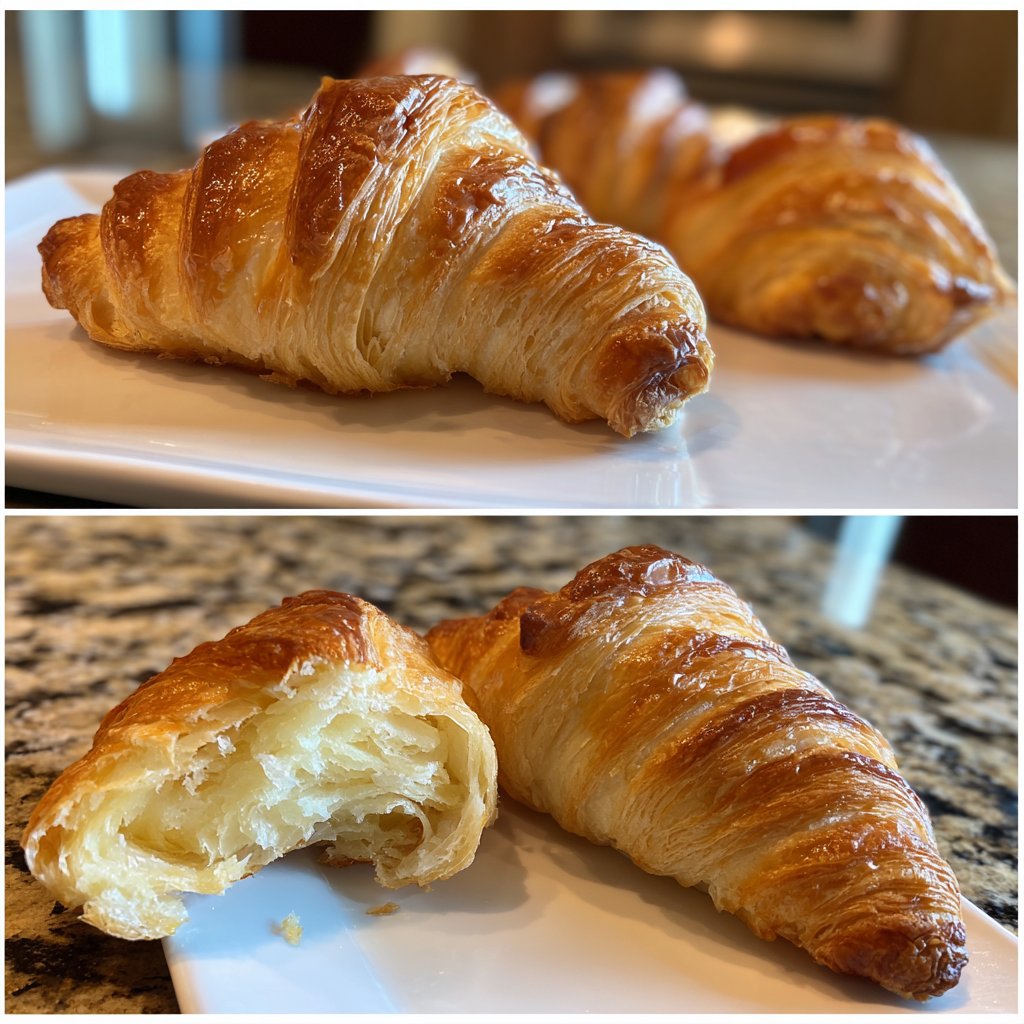
Making croissants might seem daunting, but I assure you, the payoff is worth every minute spent. One method I discovered is creating a simple dough that allows for ample time to rest, which yields a tender, flaky texture. I remember the first time my croissants puffed beautifully in the oven; it felt like a small victory.
Another tip I learned is to use high-fat butter when laminating the dough. This not only enhances the flavor but also helps in achieving that dreamy, buttery finish that we all crave. It’s all about those layers!
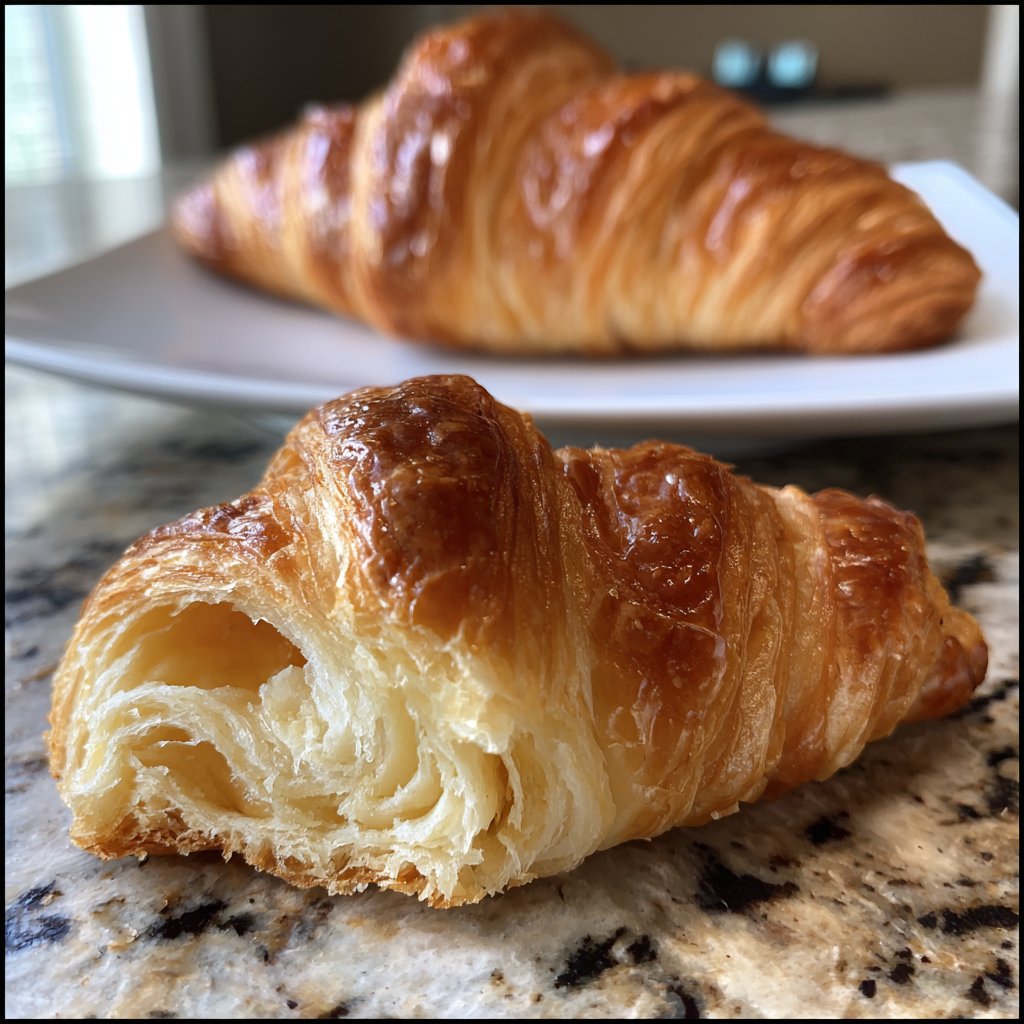
Why You'll Love This Recipe
- Rich buttery flavor that rivals any bakery
- The satisfaction of crafting these flaky pastries from scratch
- Perfect for impressing guests or a weekend brunch treat
Understanding the Dough
The dough is the foundation of any croissant, and its texture is pivotal for achieving that flaky, airy structure. When mixing the ingredients, ensure that the milk you use is warm, around 110°F (43°C), as this helps activate the yeast effectively. Over-kneading can lead to tough croissants, so aim for a smooth consistency within about five minutes. During the first rise, look for the dough to double in size, which indicates that the yeast is adequately active.
Once your dough has risen, it will feel slightly sticky but elastic. If it’s too sticky to handle, you can dust your work surface with a bit of flour. However, be cautious not to add too much flour, as that could alter the final texture. Remember, less is more here; a slightly tacky dough will yield better results in the final product.
Mastering the Lamination Technique
Laminating the dough is where the magic happens, creating those delightful layers. Before you start, make sure your work surface is clean and lightly floured. When rolling out your dough, it should be about ⅓-inch thick and large enough to envelop the butter block completely. This ensures that the butter remains trapped between layers as you fold and roll, resulting in a superior flakiness.
The folding technique is crucial during this process. After placing the butter block, fold the dough over it and seal the edges to prevent butter from leaking out. Each fold and roll creates layers that puff up during baking. Remember to chill the dough for 30 minutes after each fold; this solidifies the butter and allows gluten to relax, making the next rolling easier. Missing this step can result in a tough croissant, so don’t skip it!
Ingredients
Gather these ingredients to get started on your buttery croissants:
Dough Ingredients
- 4 cups all-purpose flour
- 1/4 cup sugar
- 2 1/4 teaspoons instant yeast
- 1 teaspoon salt
- 1 1/4 cups whole milk, warm
- 1/2 cup unsalted butter, melted
Butter Block Ingredients
- 1 1/2 cups unsalted butter, cold
Follow these steps to create the perfect croissants:
Instructions
Let's walk through the process of making these homemade croissants:
Make the Dough
In a large bowl, combine flour, sugar, yeast, and salt. Add warm milk and melted butter. Mix until a dough forms, then knead for about 5 minutes until smooth. Let it rise for 1 hour or until doubled in size.
Prepare the Butter Block
Place the cold butter between two sheets of parchment paper and roll it into a rectangle. Chill this in the fridge.
Laminating the Dough
After the dough has risen, roll it out into a rectangle. Place the butter block in the center and fold the dough over it. Roll out and fold the dough in thirds, repeating this process three times, chilling for 30 minutes between each fold.
Cut and Shape Croissants
Roll out the dough one last time and cut it into triangles. Starting from the wide end, roll each triangle towards the tip. Curve the ends to form a crescent shape.
Final Rise and Bake
Place the croissants on a baking sheet, cover, and let them rise for 1 hour. Preheat the oven to 400°F (200°C) and bake for 20-25 minutes, until golden brown.
Enjoy your delicious and flaky croissants!
Pro Tips
- For the best results, ensure your butter is cold when laminating the dough. Use high-quality butter for a richer flavor, and don’t skip the resting time
- it helps develop the layers that make croissants so delightful.
Storage & Reheating Tips
After baking, let your croissants cool completely on a wire rack before storing. They can be kept in an airtight container at room temperature for up to 2 days. If you need to store them longer, consider freezing. Wrap each croissant in plastic wrap and place them in a freezer bag. They will maintain their quality for about a month in the freezer.
To reheat, preheat your oven to 350°F (175°C) and place the croissants directly on the oven rack. Bake for about 10 minutes until warmed through and the crust becomes crispy again. Avoid using the microwave, as this will make them soggy rather than restore their flaky texture.
Common Troubleshooting
One of the most common issues with homemade croissants is not achieving the desired flaky texture. This can often be due to butter that has melted into the dough during lamination. Ensure your butter is appropriately cold and firm when rolling out. If you find the butter breaking through the dough, return the dough to the fridge for a short chill before continuing.
Another problem might be underproofed croissants that don’t rise enough in the oven. If your kitchen is cold, consider placing the croissants in a warm spot or lightly preheating your oven and then turning it off before placing the croissants inside, covered with a kitchen towel, to rise properly. This added warmth can make a significant difference.
Questions About Recipes
→ How can I tell if my dough has risen enough?
The dough should double in size and feel puffy to the touch. You can also press a finger into the dough; if it holds the indention, it's ready.
→ Can I freeze the croissants before baking?
Yes, you can freeze shaped but unbaked croissants. Just let them thaw in the fridge overnight before baking.
→ What type of flour is best for croissants?
All-purpose flour works well, but if you want an extra flaky texture, you can use a high-protein bread flour.
→ How do I store leftover croissants?
Store them in an airtight container at room temperature for up to two days, or freeze them for longer storage.
Buttery Homemade Croissants
Created by: Penelope Dawson
Recipe Type: Treats & Temptations
Skill Level: Intermediate
Final Quantity: 12 croissants
What You'll Need
Dough Ingredients
- 4 cups all-purpose flour
- 1/4 cup sugar
- 2 1/4 teaspoons instant yeast
- 1 teaspoon salt
- 1 1/4 cups whole milk, warm
- 1/2 cup unsalted butter, melted
Butter Block Ingredients
- 1 1/2 cups unsalted butter, cold
How-To Steps
In a large bowl, combine flour, sugar, yeast, and salt. Add warm milk and melted butter. Mix until a dough forms, then knead for about 5 minutes until smooth. Let it rise for 1 hour or until doubled in size.
Place the cold butter between two sheets of parchment paper and roll it into a rectangle. Chill this in the fridge.
After the dough has risen, roll it out into a rectangle. Place the butter block in the center and fold the dough over it. Roll out and fold the dough in thirds, repeating this process three times, chilling for 30 minutes between each fold.
Roll out the dough one last time and cut it into triangles. Starting from the wide end, roll each triangle towards the tip. Curve the ends to form a crescent shape.
Place the croissants on a baking sheet, cover, and let them rise for 1 hour. Preheat the oven to 400°F (200°C) and bake for 20-25 minutes, until golden brown.
Extra Tips
- For the best results, ensure your butter is cold when laminating the dough. Use high-quality butter for a richer flavor, and don’t skip the resting time
- it helps develop the layers that make croissants so delightful.
Nutritional Breakdown (Per Serving)
- Calories: 300 kcal
- Total Fat: 20g
- Saturated Fat: 12g
- Cholesterol: 40mg
- Sodium: 200mg
- Total Carbohydrates: 30g
- Dietary Fiber: 1g
- Sugars: 2g
- Protein: 5g