Croissant Recipes at Home
Highlighted under: Treats & Temptations
When I decided to master croissant-making at home, I knew it would be a journey of buttery goodness and flaky layers. After experimenting with various techniques and ingredients, I finally found the perfect balance of method and flavor. The pride I feel when pulling fresh, golden croissants from the oven is exhilarating. With a few essential ingredients and a bit of patience, you too can enjoy the delight of homemade croissants that are crisp on the outside and tender on the inside, just like the ones from a French bakery.

Every time I bake croissants, I'm reminded of the first time I tried one fresh from a bakery. The magic of flaky layers and rich buttery flavor inspired me to recreate that experience at home. What I've learned is that the secret lies in the lamination process, which involves folding butter into the dough to create those iconic layers. Careful attention to temperature is crucial, and I always ensure my ingredients are chilled to achieve the best results.
Throughout my journey, I experimented with different fillings like chocolate and almond paste, which took my homemade croissants to the next level. The joy of sharing these warm, flaky pastries with friends and family is priceless. Remember, though, patience is key; allow the dough to rest to achieve that perfect rise!
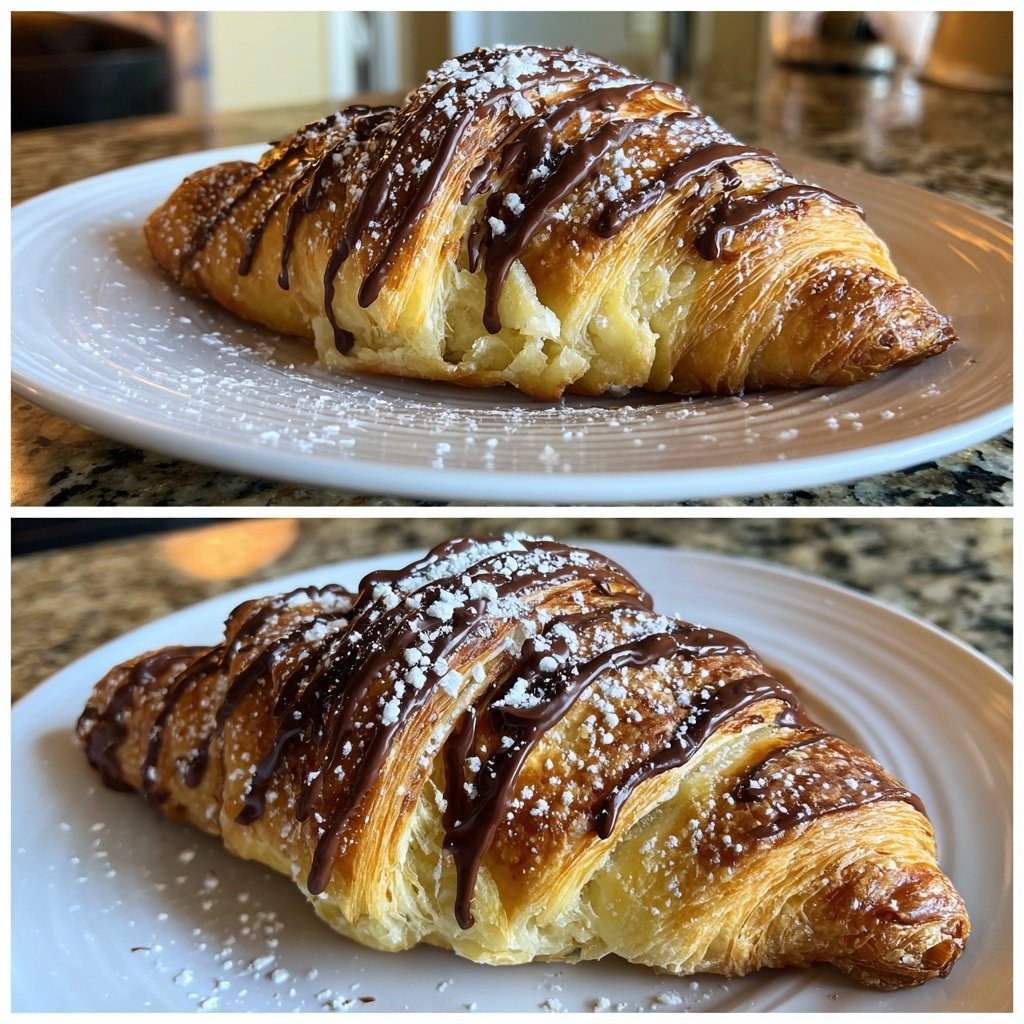
Why You Will Love This Recipe
- Buttery layers that melt in your mouth
- Versatile for sweet or savory fillings
- A rewarding baking experience you'll cherish
Understanding the Dough
The croissant dough is the backbone of this recipe, combining flour, yeast, and milk to create a chewy and flavorful base. All-purpose flour works well due to its balanced protein content, but if you want a chewier texture, consider using bread flour. The yeast is crucial for aeration, allowing the dough to rise as it ferments, which contributes to the light structure of your croissants. Make sure to activate the yeast well by adding it with the warm milk. It should feel slightly tacky but not sticky when combined.
Proper kneading technique is essential for developing gluten, making your croissants rise beautifully and hold their shape. Aim for around 5 minutes of kneading; you’re looking for a smooth, elastic texture. If you notice excessive stickiness during kneading, lightly dust your work surface with flour rather than adding too much more, which can impact the dough's moisture balance and the flakiness of the final product.
Mastering the Lamination Process
Lamination is the key technique that gives croissants their signature flaky layers. After chilling the dough and preparing the butter block, it’s important to roll the dough gently to avoid ripping. An ideal thickness for the dough during the lamination process is about 1 cm. If it's too thin, you risk losing those beautiful layers, but if it's too thick, your croissants might bake unevenly. Each fold should be performed with precision, ensuring the butter is evenly distributed to create layers without breaking the dough.
After rolling out the dough to incorporate the butter, make sure to chill between folds. This keeps the butter firm and solidifies the layers. A mini fridge set to a higher temperature works well if your kitchen is warm. Chill for at least 30 minutes between each fold, allowing the gluten to relax as well as keeping the butter at the right consistency. Visualize your dough as an accordion, with evenly spaced folds but still pliable enough to manipulate without tearing.
Troubleshooting and Adjustments
If your croissants don’t rise sufficiently during proofing, your kitchen temperature might be too cool, or the initial dough may not have risen enough during the fermentation stage. A way to boost rise is to proof them in a warm, draft-free area like an oven turned off but with the light on. Aim for a double size in the croissant after proofing, which typically takes about 1 hour; they should feel puffy to the touch.
Another common issue is the croissants leaking butter during baking. This usually happens if the butter block is too soft; avoid letting it warm too much during handling. When prepping your butter block, make sure it’s just cold enough to remain firm but pliable. Finally, always check that your oven is fully preheated to 190°C (375°F) before baking as this helps with proper puffing and gives that golden-brown crust typical of a well-baked croissant.
Ingredients
Gather the following ingredients to get started on your delicious croissants:
Croissant Dough Ingredients
- 500g all-purpose flour
- 10g salt
- 40g sugar
- 10g instant yeast
- 300ml milk (warm)
- 250g unsalted butter (chilled and cubed)
Make sure to have everything ready before starting the process.
Instructions
Follow these steps to create your flaky, homemade croissants:
Make the Dough
In a mixing bowl, combine flour, salt, sugar, and yeast. Gradually add warm milk, mixing until a shaggy dough forms. Knead for about 5 minutes until smooth, then shape into a ball.
Chill the Dough
Wrap the dough in plastic wrap and refrigerate for at least 30 minutes. This will help with the lamination process later.
Prepare the Butter Block
On a lightly floured surface, shape the cold butter into a rectangle about 1 cm thick. Place it back in the fridge to keep it cold.
Laminate the Dough
Roll out the dough into a larger rectangle, place the butter block in the center, and fold the edges over it. Roll out and fold the dough three times, chilling for 30 minutes between each fold.
Shape the Croissants
Roll out the final dough and cut it into triangles. Roll each triangle from the base to the tip to form a croissant shape.
Proof the Croissants
Place the formed croissants on a baking sheet and let them proof at room temperature for about 1 hour or until doubled in size.
Bake
Preheat your oven to 190°C (375°F). Brush the croissants with an egg wash and bake for 15-20 minutes until golden brown.
Allow the croissants to cool slightly before serving. Enjoy your homemade delights!
Pro Tips
- Ensure your ingredients are as cold as possible to create the best layers in your croissants. Don't rush the resting times
- they are crucial for a flaky texture.
Storage and Reheating Tips
Homemade croissants are best enjoyed fresh, but they can be stored at room temperature in an airtight container for up to 2 days. If you want to extend their life, consider freezing them before baking. Simply shape the croissants, place them on a baking sheet to freeze individually, and then transfer to a freezer-safe bag. They can last up to a month this way; just remember to let them rise at room temperature before baking, which may take around 1-2 hours.
For reheating, bake the croissants at 180°C (350°F) for about 5-7 minutes to restore some of the original crispness. If they're frozen, allow an extra 5-10 minutes of baking time. This method will help to wake up the flaky layers while maintaining a soft, warm center. Enjoy them plain or with your favorite jams and spreads for a delightful treat any time of the day.
Variations and Fillings
While classic croissants are delightful on their own, you can experiment with fillings to enhance your baking adventure. Consider turning your croissants into chocolate croissants by placing a small piece of dark chocolate at the base of each triangle before rolling. Alternatively, savory fillings like ham and cheese or almond paste can add a delightful twist. Just ensure not to overfill them, as this can affect their rise and baking potential.
If you wish to create a whole batch with different flavors, divide the dough into portions after rolling it out and apply your selected fillings before shaping. Thoughts on seasonal ingredients can also guide your choices; fresh herbs during the summer or spiced apple filling in the fall can lead to exciting variations. No matter the filling, remember that the dough's integrity must remain intact for the best texture and taste in each bite.
Questions About Recipes
→ Can I freeze croissants after baking?
Yes, baked croissants can be frozen for up to 2 months. Just wrap them well in foil and store them in an airtight container.
→ Is it necessary to use butter?
For the best flavor and texture, it's recommended to use unsalted butter. Margarine won’t yield the same results.
→ Why is my dough too sticky?
It may be due to the humidity in your environment. Add a little more flour to achieve the right consistency.
→ Can I add fillings to the croissants?
Absolutely! You can add chocolate, almond paste, or even ham and cheese before rolling them up.
Croissant Recipes at Home
Created by: Penelope Dawson
Recipe Type: Treats & Temptations
Skill Level: Intermediate
Final Quantity: 12 croissants
What You'll Need
Croissant Dough Ingredients
- 500g all-purpose flour
- 10g salt
- 40g sugar
- 10g instant yeast
- 300ml milk (warm)
- 250g unsalted butter (chilled and cubed)
How-To Steps
In a mixing bowl, combine flour, salt, sugar, and yeast. Gradually add warm milk, mixing until a shaggy dough forms. Knead for about 5 minutes until smooth, then shape into a ball.
Wrap the dough in plastic wrap and refrigerate for at least 30 minutes. This will help with the lamination process later.
On a lightly floured surface, shape the cold butter into a rectangle about 1 cm thick. Place it back in the fridge to keep it cold.
Roll out the dough into a larger rectangle, place the butter block in the center, and fold the edges over it. Roll out and fold the dough three times, chilling for 30 minutes between each fold.
Roll out the final dough and cut it into triangles. Roll each triangle from the base to the tip to form a croissant shape.
Place the formed croissants on a baking sheet and let them proof at room temperature for about 1 hour or until doubled in size.
Preheat your oven to 190°C (375°F). Brush the croissants with an egg wash and bake for 15-20 minutes until golden brown.
Extra Tips
- Ensure your ingredients are as cold as possible to create the best layers in your croissants. Don't rush the resting times
- they are crucial for a flaky texture.
Nutritional Breakdown (Per Serving)
- Calories: 250 kcal
- Total Fat: 14g
- Saturated Fat: 8g
- Cholesterol: 30mg
- Sodium: 150mg
- Total Carbohydrates: 29g
- Dietary Fiber: 1g
- Sugars: 4g
- Protein: 6g